

Understanding Timewarp Taskus
The term timewarp taskus has emerged as a significant concept in various fields, particularly in technology and productivity. To fathom its essence, one must first recognize its origins and evolution, which reflect our changing approach towards time management and task efficiency. Initially, the term was co-opted from science fiction, where ‘timewarp’ refers to altering the perception of time, thus making it a fitting metaphor for transforming the nature of task execution.
Today, timewarp taskus encompasses methodologies aimed at enhancing productivity through innovative time management strategies. This principle is not merely theoretical; it has practical implications across industries. By integrating automation and task optimization, businesses are urged to rethink how they allocate time and resources. The efficiency derived from such practices can significantly affect overall performance, enabling teams to accomplish in hours what traditionally might take days.
One of the key aspects of timewarp taskus is its adaptability to the current trends of remote work and digital collaboration. As many organizations transition to hybrid models, the focus on effective time management has intensified. Consequently, this has led to an increase in demand for tools and systems that embody the timewarp philosophy, facilitating smoother workflows while minimizing distractions.
Furthermore, the significance of timewarp taskus extends beyond mere productivity hacks. It emphasizes the value of time as the most finite resource we possess. In an age where constant connectivity is common, finding ways to warp traditional time constraints becomes a vital skill. By understanding and implementing these principles, individuals and organizations can leverage their most important resource—time—more effectively. With its roots in efficiency and adaptation, the concept continues to influence our approach to modern work.
The Mechanism Behind Timewarp Taskus
Understanding the mechanism behind timewarp taskus involves delving into the underlying processes that govern its functionality. At its core, timewarp taskus employs advanced algorithms and dynamic modeling techniques that enable it to manipulate timelines in a task-oriented context. This is particularly essential for optimizing workflows, enhancing productivity, and enabling better time management.
The technology behind timewarp taskus integrates big data analytics and artificial intelligence to predict optimal task execution times. By analyzing historical data and identifying patterns, timewarp taskus can provide useful insights into how different activities interact with one another over time. For instance, when scheduling tasks, this system analyzes previous performance data to propose ideal time slots, thus minimizing conflicts and maximizing output.
In practice, timewarp taskus has shown its significance in various sectors, including project management and customer support. For example, a logistics company utilizing this methodology might develop a schedule that dynamically adjusts in real-time, reflecting shipping delays or changes in demand. This adaptability ensures that operations remain fluid and responsive to external circumstances.
Moreover, methodologies linked with timewarp taskus involve iterative cycles of assessment and adaptation. Businesses often utilize feedback loops where data from completed tasks inform future planning, allowing for a continual improvement of strategies. Research has explored case studies in software development where teams implementing timewarp taskus achieved significant reductions in project turnaround times due to better time allocation.
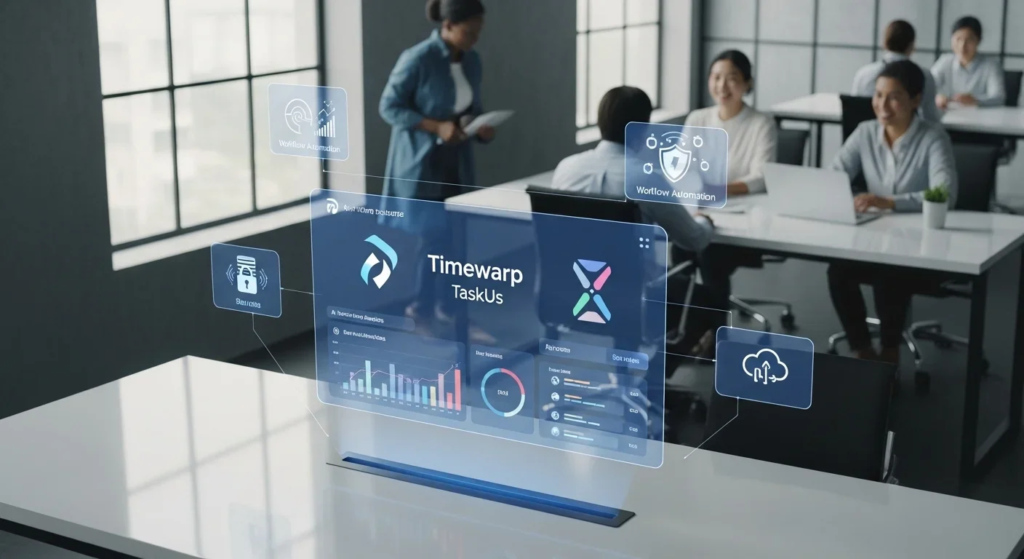
In summary, the mechanisms behind timewarp taskus are rooted in sophisticated technology that leverages data and intelligent forecasting to manage time more efficiently in various operational contexts. By understanding these mechanisms, organizations can unlock the full potential of their workflows.
Benefits and Challenges of Implementing Timewarp Taskus
Implementing the concept of timewarp taskus comes with a myriad of benefits that can enhance operational effectiveness across various environments. One of the primary advantages includes the boost in efficiency it provides. By synchronizing tasks in a manner that optimizes workflow, organizations can minimize wasted time and resources. Furthermore, the innovative approach inherent in timewarp taskus can lead to improved outcomes, as it encourages teams to focus on critical tasks without the typical distractions present in traditional methods.
In addition to enhanced efficiency and innovation, the adoption of timewarp taskus can lead to increased employee satisfaction. By streamlining processes and reducing unnecessary tasks, employees can experience a more manageable workload, which in turn can elevate overall morale and productivity. Moreover, organizations that embrace such methodologies are likely to stand out in a competitive landscape, attracting top talent who seek workplaces that prioritize effective task management.
However, the integration of timewarp taskus is not without its challenges. One significant obstacle is the initial implementation cost. Adopting a new system often requires investment in training, software, or hardware, which can deter organizations from making the leap. Additionally, the complexity of the timewarp taskus framework can lead to confusion among staff members who are accustomed to existing processes. Addressing this complexity is crucial to ensuring a smooth transition.
Moreover, resistance to change is a well-documented phenomenon in many organizations. Employees who are hesitant to adapt may obstruct the successful incorporation of a timewarp taskus approach. It is essential for management to actively engage with their teams, providing support and education around the new system to counter this resistance. By presenting a balanced view of both the advantages and potential barriers, organizations can better prepare for the effective implementation of timewarp_taskus in their operational strategy.
Future Perspectives on Timewarp Taskus
The concept of timewarp taskus has increasingly gained prominence in various sectors, owing to its ability to revolutionize workflows and enhance productivity. As businesses and organizations continue to adapt to rapid technological advancements, the future implications of timewarp_taskus appear promising. Emerging trends indicate that its integration will become more pronounced, especially in industries such as information technology, human resources, and project management.
One potential trajectory for timewarp taskus is increased automation. Technologies such as artificial intelligence and machine learning are paving the way for workflows that can adapt in real-time to shifting demands. This connectivity could streamline operations, allowing professionals to focus on strategic tasks rather than repetitive or time-consuming assignments. Such automation not only enhances efficiency but also provides opportunities for businesses to maximize their productivity rates significantly.
Furthermore, as remote work continues to solidify its place in modern operations, the importance of timewarp taskus will also evolve. Distributed teams require tools that facilitate collaboration and maintain productivity, regardless of geographical barriers. Innovations in cloud technology and project management software will likely integrate timewarp_taskus principles, enabling seamless communication and task overlap across time zones.
Experts also predict that as user familiarity with these systems increases, companies will be motivated to expand their scope. This can lead to enhanced platforms for timewarp_taskus that provide customized solutions based on industry-specific requirements. As a result, we can expect to see more tailored applications that cater to unique business challenges.
In conclusion, the future of timewarp taskus presents significant opportunities for growth and adaptability. As new innovations emerge and industries evolve, ongoing research and strategic implementations will be vital in unlocking its full potential. Businesses that embrace these advancements may find themselves better positioned to thrive in a highly competitive landscape.
